
In today’s fast-changing digital world, more website owners are looking for ways to make their sites feel calm, welcoming, and helpful. One of the newest and most exciting trends is adding spiritual AI to a website. If you’re a beginner wondering how to bring peaceful, mindful energy into your online space while using artificial intelligence, this guide is for you. Here we’ll break it down step by step so even someone new to tech can understand how to make their website a serene place for visitors.
What Is Spiritual AI for Websites?
Spiritual AI is a special kind of artificial intelligence designed to bring mindfulness, compassion, and positive energy to online interactions. Unlike standard chatbots or virtual assistants, spiritual AI is programmed to give answers that promote calmness, inspire reflection, and offer supportive responses.
For example, if someone visits your site feeling stressed or curious about wellness, a spiritual AI can respond with kind, thoughtful suggestions like deep breathing exercises, positive affirmations, or meditations. It’s like having a wise digital companion on your site that guides visitors gently without overwhelming them.
This kind of AI is not just for meditation or yoga websites. Any business—from e-commerce to blogs—can use it to make their space feel more personal and connected.
Why Add Spiritual AI to Your Website?
Adding spiritual AI to your website isn’t just a trend; it’s a way to stand out in a crowded digital space. When people visit websites today, they often want more than just information. They crave meaningful interactions that leave them feeling better than before they arrived.
Here’s why you should consider integrating it:
- Enhance User Experience: Visitors stay longer when they feel a sense of peace or positivity on your site.
- Build Emotional Connection: A spiritually aware AI can create stronger bonds with your audience by showing empathy.
- Stand Out from Competitors: While others focus only on sales, your site can offer emotional value too.
- Encourage Return Visits: People are more likely to revisit a place where they felt heard and supported.
Whether you run a wellness blog, sell eco-friendly products, or even operate an educational site, spiritual AI can create a more engaging and uplifting environment.
Bring Calm Vibes Online
In the noisy online world, a calm digital space feels like an oasis. Websites cluttered with ads, pop-ups, and aggressive sales messages can make visitors anxious. Spiritual AI helps change that.
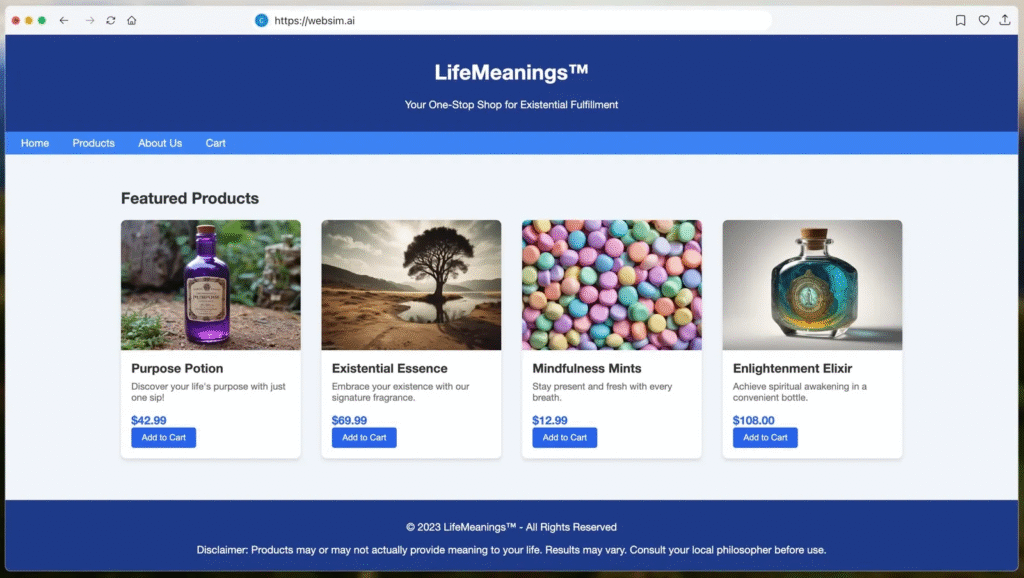
Imagine a virtual assistant that welcomes visitors with a soft greeting like, “Welcome, how can I help you find balance today?” or suggests a daily mantra. This isn’t just good for the visitor—it reflects well on your brand too.
With spiritual AI, your website can:
- Promote mindfulness through gentle reminders.
- Offer meditations or breathing exercises.
- Give kind, reflective answers rather than robotic replies.
This approach transforms your site into a place people enjoy visiting—not just for information but for a moment of peace.
Help Visitors With Mindful Answers
Unlike regular chatbots that spit out technical answers, spiritual AI is trained to recognize emotional cues and respond mindfully. For example, if a user types “I’m stressed today,” a mindful AI might respond with:
“I’m here for you. Would you like to try a short breathing exercise or read an uplifting quote?”
This creates a bond of trust and makes your website feel alive and compassionate rather than cold and transactional.
Make Your Website Stand Out
Thousands of websites offer the same products or information. But few offer an experience. By integrating spiritual AI, your site immediately feels different.
You’re not just delivering content; you’re offering a safe, calming space. Visitors will remember your site not because of flashy graphics but because it made them feel better—even if just for a few moments.
This emotional connection can turn casual browsers into loyal followers and customers.
How to Add Spiritual AI to Website (Step by Step)
If you’re wondering how to get started, here’s a simple roadmap:
- Define Your Goals – Do you want your AI to answer questions mindfully, offer meditations, or guide users through affirmations?
- Choose a Tool – Select a platform (free or paid) that fits your goals.
- Customize AI Responses – Train your AI to use a kind, supportive tone. Many tools let you upload custom scripts or choose “personality” settings.
- Test With Real Users – Before going live, test the AI with a small group to ensure it feels natural and helpful.
- Go Live and Monitor – Launch on your site and keep improving it based on user feedback.
Even if you have no coding skills, many tools now offer easy plugins or drag-and-drop widgets that make this process beginner-friendly.
Best Tools for Adding Spiritual AI
Today there are plenty of AI chatbot platforms designed for different needs. For spiritual AI, look for tools that allow personality customization and emotional intelligence features.
Popular options include:
- ChatGPT Plugins (integrate AI with a calm tone).
- Tidio (good for mindfulness-centered e-commerce).
- ManyChat (works on websites and social media).
- Replika (originally a personal AI friend, but can be adapted for sites).
When choosing, consider:
✔ Ease of integration
✔ Customization options for tone/personality
✔ Cost (some tools offer free versions with limits)
Free Tools You Can Try
If you’re just starting, try free options to see how spiritual AI fits your site:
- Dialogflow (by Google) – Free tier for creating basic conversational bots.
- Tidio Free Plan – Lets you create chatbots with simple customization.
- Replika Free – You can adapt its API for your site’s use.
These tools let you experiment without financial risk. Once you know what works, you can move to more advanced paid options.
Paid Tools With More Features
Paid platforms often give you advanced features like:

- Sentiment analysis (detects emotions in user messages).
- Deeper customization (upload scripts, change personality).
- Multi-channel support (website, WhatsApp, Facebook Messenger).
Some top paid tools for spiritual AI include:
- Botpress – Highly customizable, great for emotional AI.
- ManyChat Premium – Includes AI tools and CRM features.
- Tars – Focuses on smooth chatbot flows with personality options.
Prices range from $10/month for basic plans to $50+ for pro versions.
Tips Before You Add Spiritual AI
- Know Your Audience – Tailor the AI’s tone to what your visitors will find soothing.
- Start Small – Begin with basic functions like greetings and affirmations.
- Train Your AI Regularly – Update its responses based on user feedback.
- Balance Automation and Human Touch – Sometimes real human support is needed.
Common Mistakes to Avoid
- Overcomplicating the AI – Beginners often try to make the AI too “smart” too soon.
- Ignoring User Privacy – Always make sure your AI complies with privacy laws.
- Not Testing Enough – Poorly tested bots can give robotic or awkward responses.
Avoid Spammy Chatbots
Nothing kills a calm vibe faster than a pushy chatbot. Avoid bots that bombard users with pop-ups or hard-sell messages. Your spiritual AI should feel like a gentle guide, not an annoying salesperson.
Keep The AI Positive and Light
The secret to effective spiritual AI is keeping interactions positive, supportive, and light-hearted. Program your AI to avoid negativity and instead offer kind words, calming suggestions, and empathy. This creates a digital environment where visitors feel safe and valued.
The Bottom Line
Adding spiritual AI to your website is no longer jaust a cool idea—it’s a powerful way to make your online space feel warm, welcoming, and unique. Whether you’re running a blog, an online shop, or a wellness platform, spiritual AI can help your site stand out by delivering not just information but also inspiration. Start small, choose the right tools, and focus on creating mindful, positive experiences for every visitor.